
On November 29, 1975, President Gerald R. Ford signed into law PL 94-142 which came to be known as the Individuals with Disabilities Education Act (IDEA), culminating decades of litigation and advocacy by families of children with disabilities who were routinely denied access to their neighborhood schools. It ensured that children with disabilities would no longer be turned away from their neighborhood schools. Furthermore, children with disabilities have access to specialized supports and services through an Individualized Education Plan (IEP). In addition, federal funds would be allocated offset the additional costs states would incur.
The IDEA joined the growing body of education civil rights legislation including the Elementary and Secondary Education Act (ESEA) of 1967, Title XI of the ESEA in 1972, and Section 504 of the Rehabilitation Act in 1973. Offices within different departments initially administered each of these initiatives making oversight and enforcement spotty. In 1979, President Jimmy Carter established the Department of Education to streamline federal aid, protect civil rights, and assist state departments of education. Unfortunately, the creation of the Department of Education has always been controversial given the history of local control of education. Currently, we are seeing a dismantling of its functions which raises alarms for families of children with disabilities.
Here are the top three things you can do to ensure that the rights of students with disabilities continue to be protected:
Know YOUR rights. Regardless of what happens to the Department of Education, the IDEA is the law. Article VII of the Nebraska Constitution mandates that the Legislature provide for the free and public education of all children in Nebraska and Rule 51 details how that will occur for children with disabilities. Understand what rights your children have under Rule 51 and what rights you as a parent have in collaborating with school teams.
Reach out to other families. There is power as well as comfort in coming together to support and share knowledge with one another.
Reach out to your legislative representative. Share your stories and encourage others to share their stories. The adage “you don’t know what you don’t know” is as true for our state senators as it is for others. Help them understand your needs and concerns so they will have the information they need as they debate how to use state and federal funds to educate all children of Nebraska.
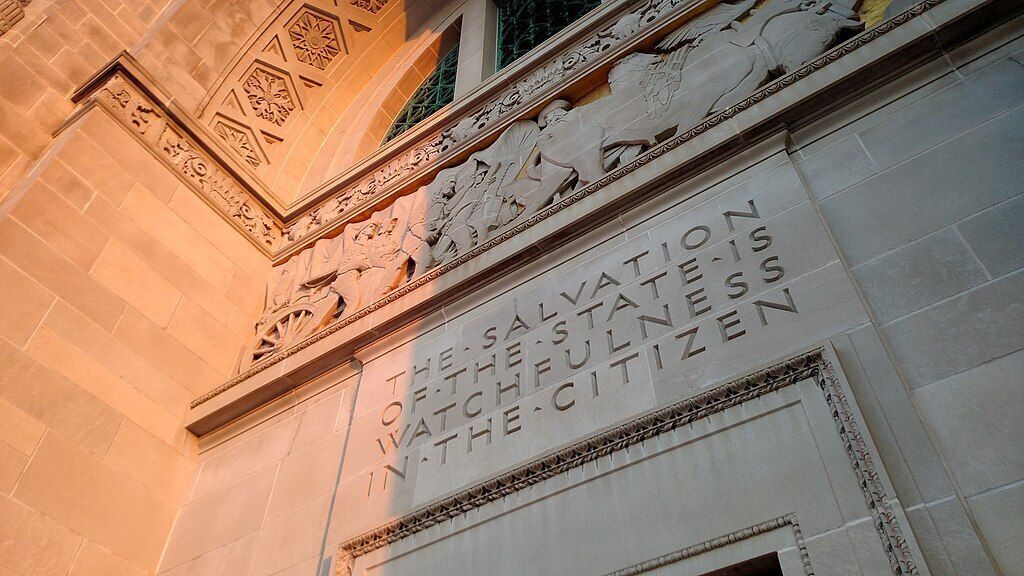
To quote the carving over the north entrance to our capital: The salvation of the state is watchfulness in the citizen.
Patricia Cottingham, EdD is the coordinator of Disability Rights Nebraska's Inclusive Education Lay Advocacy Program. Dr. Cottingham has been an advocate for people with Intellectual and Developmental Disabilities since 1995 when she began her career working with an adult provider of community-based services. Prior to that she taught middle school students and non-traditional adults attending a local business school. Her passion is for the inclusion of all people in their communities living, learning, and working together.