
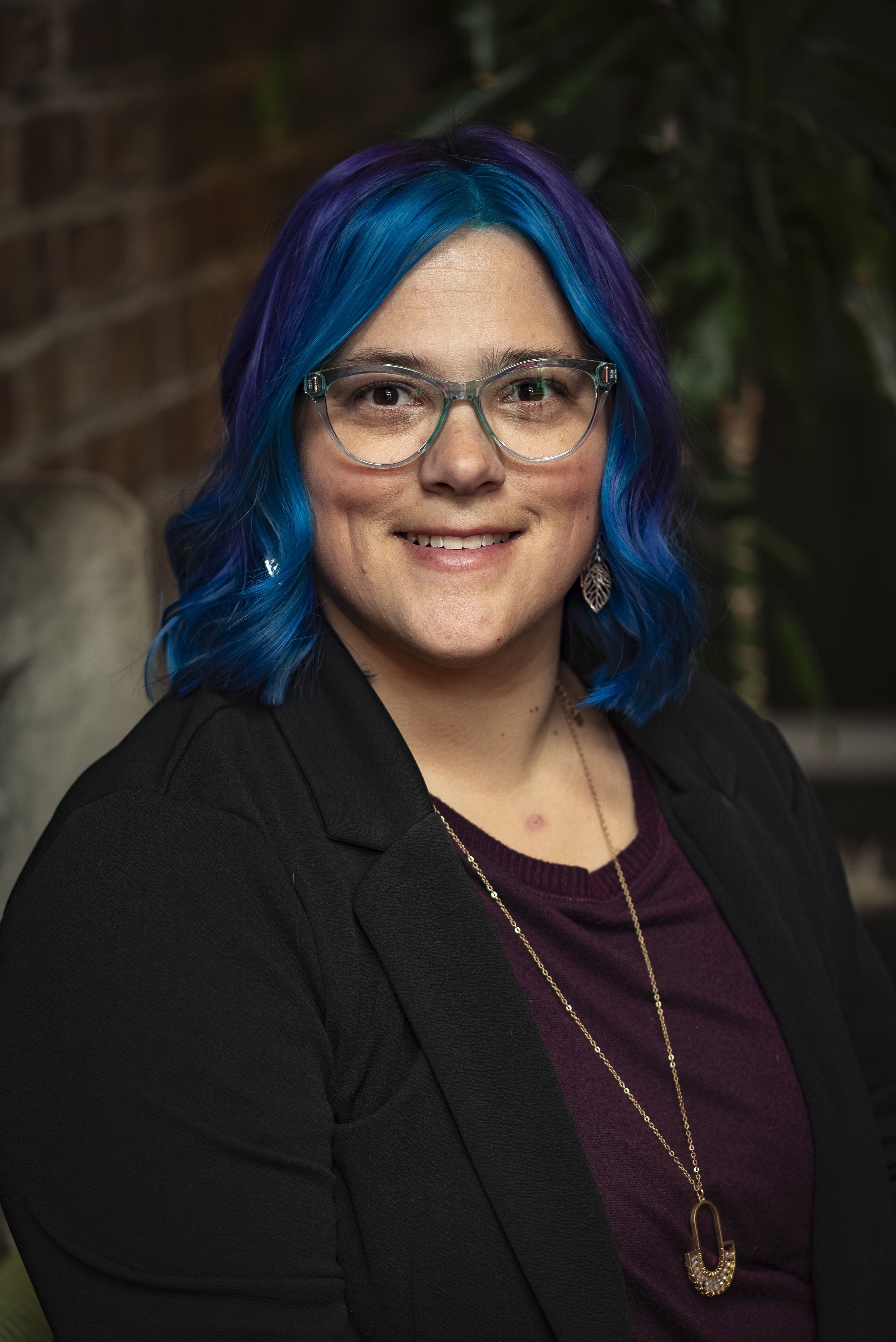
Melanie Davis says she does not need a constant reminder that she navigates the world using a wheelchair.
Passers-by frequently congratulate the 40-year-old Omaha disability advocate for simply living her life, when she is walking her dog or shopping for groceries.
Davis and other people with disabilities call this phenomenon “inspiration porn.” The late Stella Young, an Australian disability activist, coined the term.
“It’s a way of trying to bring positive light to disability, but it has negative undertones,” Davis said.
The national organization Disability Belongs provides this definition of inspiration porn: “Inspiration Porn is used to describe the objectification of disabled people with the intention of making people without disabilities feel good.”
Objectification is the act of treating a person like a tool, a toy, or a physical object rather than a human being. When a person is objectified, their feelings, thoughts, and rights are ignored, and they are reduced to a single use, function, or appearance.
Many people have learned about the concept of inspiration porn from Stella Young’s TED talk titled “I’m Not Your Inspiration, Thank You Very Much.” Young explained that society has been sold the lie that having a disability is a bad thing, so simply living with a disability makes someone exceptional.
The media tends to glorify disabled people for existing and praise non-disabled people for helping disabled people. These shallow narratives have negative effects on how disabled people are seen and treated in society.
Unintentional or not, inspiration porn reminds people with disabilities that “we are separate from the masses, and we’re working so hard not to be separate, “Davis said. “You’re cutting me short on what I know from the moment you say that stuff.”
When someone says to Davis, “it’s good to see you out and about,” she might respond by saying, “it’s good to see you out, too.’”
Some people simply don’t know how to talk to people with disabilities, Davis said. At times, she will engage the person in conversation, asking them, “Do you know what you just said?”
Other times, she will ignore the person in favor of picking up her fast-food order and leaving the restaurant without comment.
Times like that are when allies can help by calling a person out.
“It’s uncomfortable to confront someone,” Davis said. “People with disabilities already have enough to handle without having to deal with ignorant comments. The burden shouldn’t be on us all the time. I can’t carry the burden of inspiration porn on top of everything else.”
This explains why Davis sometimes dons headphones in her neighborhood when she walks her dog. Of course, plenty of people without disabilities chill out by wearing headphones or earbuds in various settings.
For those who might consider the notion of inspiration porn merely a matter of political correctness, Davis has a response.
“Language is always evolving, no matter what country you’re in or what language you speak,” she said.
Overall, our society has made progress in the language we use to discuss people with disabilities, Davis said.
“There was a time when inspiration porn wasn’t even a thing,” she noted.
In some respects, inspiration porn can serve as a conversational starting point. If a person inadvertently says something a person with disabilities finds offensive, they can talk about it, Davis said. “It’s OK to make a mistake,” she said.
It’s also acceptable to set boundaries that minimize inspiration porn, Davis said. For example, Davis has Facebook and Instagram accounts, but she avoids spending excessive time on them. She sets boundaries for social media, setting a good example in her role as a model to younger activists.
The way Davis sees it, it’s up to her generation to enforce laws such as the Americans with Disabilities Act, and up to the next generation to strengthen them.
Davis holds a bachelor’s degree in political science from the University of Nebraska at Omaha and a paralegal certificate from Metropolitan Community College in Omaha. She is the lead facilitator for Nebraska’s Self Advocate Leadership Training program (SALT). The program is currently taking applicants for training in leadership and advocacy. For more information email kolbf.ne@gmail.com .
Molly Klocksin, Advocacy Specialist, has worked for Disability Rights Nebraska for 25 years. She holds a bachelor’s degree in journalism from the University of Wisconsin-Eau Claire and a master’s degree in counseling from Doane University.