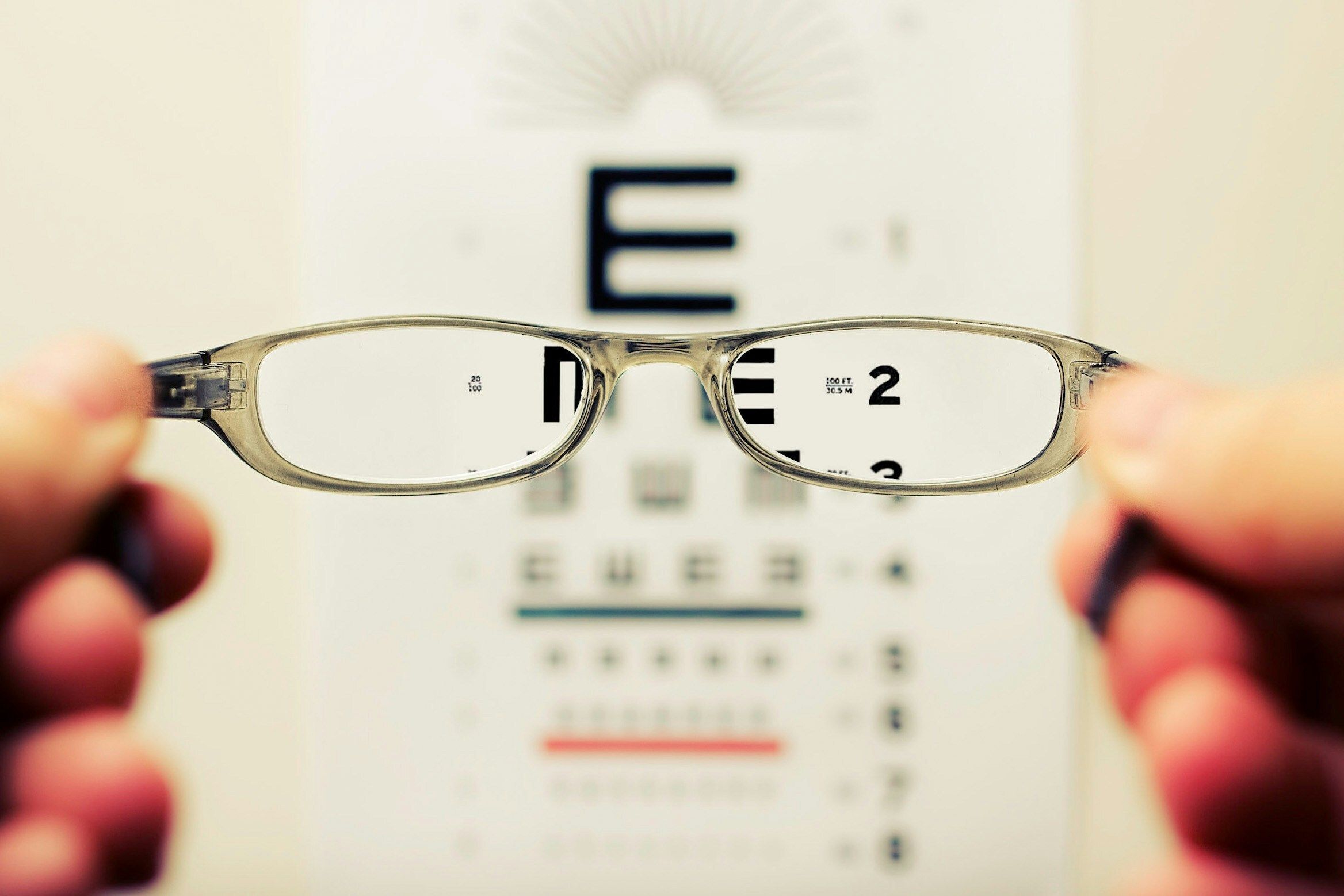
Assistive technology is everywhere in our lives. If we struggle with vision, we use eyeglasses. If we struggle with time awareness, we wear a wristwatch. If we have a hard time with a sense of direction, we use the GPS function in our cars or on our phones. These are common uses of assistive technology that we all recognize.
Assistive technology is essential to people being included. Your glasses help you to see friends, family, coworkers, beautiful landscapes, events, screens and print. Your watch helps you show up on time. Your GPS gives you directions to get there so you can participate and be included.
Inclusion ensures that people can share their talents, skills, and perspectives to make the world a better place for everyone. Sometimes people may need assistance or devices that are not as common as what we see every day.
Recently, I sat in on the Assistive Technology portion of the Inclusive Education Lay Advocate training. Though I know a little bit about the AT that I and my friends use, I learned some new things.
The information presented at the training was from the point of view of helping a student in the classroom, but many of these things apply to the general process of connecting a person with the tech they need. The following ideas can help connect a person with a disability with something that will support them.
Instead of basing the choice of technology or devices on a person's medical diagnosis, the match has a better change of succeeding if we look at the following questions first:
What specific task does the person need to do?
What are the barriers do they face to doing that task?
What kids of tolls do they need to address them?
In School and home settings we are also asking "What would we need to make this work?" Not only the student or adult with the disability needs supports. Teachers, staff and family members also need support, training, and practices so everyone can become comfortable with the device or tools, so the person can use them most effectively.
Another valuable question in this process is “Who here has the knowledge or skills to work with this device?” People don’t automatically know how to use a device, whether that is a person with a disability or a teacher in a classroom. In fact, a lot of the learning about assistive technology for teachers happens AFTER they get into the workplace. They may have one or two classes during college but there is not a focus on it. It’s helpful to have a resource person who is familiar with the device.
Is the person inclined or willing to use the device?” The person receiving the device must be at the center of the conversation and their input must be honored. There may need to be a trial period to break through the initial fear and concerns about using the device, but in the end, if the person hates it and won’t use it, it’s not effective.
Is the device appropriate for their lifestyle or age or culture? Are they at a stage in their life that they are ready for it? What is age-appropriate? Maybe there are ways to adjust the fit or appearance of a device or tool to take some of these things into account.
Also, “assistive technology” is not always large, complicated, or expensive. It can be as simple as a chart with the day’s schedule on it, or a jar opener. Sometimes small things can make a big difference in how a person gets through their day.
Asking the right questions can be as important as choosing the right device or tools for the job. Like the old saying, “when all you’ve got is a hammer, everything looks like a nail.” But if what you really need is a Philips-head screwdriver, a hammer won’t be much help. So those questions (what for, how, who, why) end up being very important to making the right match of person + technology.
The trainer for this portion of the Inclusive Education Lay Advocacy program is Brian Wojcik, Ed.D, ATP Education Program Supervisor and Assistive Technology Specialist. You can learn more about the Assistive Technology Partnership at https://atp.nebraska.gov/ ATP also provides loans of devices and accepts donations of certain gently used devices. See their website for details.
Sharon Ohmberger is the Community Engagement Director for Disability Rights Nebraska. 2026 marks her 28th year with the organization. When not writing, emailing, or tending relationships with individuals or advocates, she can be found at home working in the yard or in her pottery studio. She lives in a small town south of Lincoln with her husband Bryan and cats CoCo and Ghost.
Photo by David Travis on Unsplash